
Alzheimer's & Dementia Care
Compassionate Alzheimer's & Dementia Care at Home
We provide patient, familiar in-home support for older adults living with Alzheimer's disease or other forms of dementia, and steady communication for the families who love them. Support is shaped around daily routines and personal preferences, and we're proud to serve families across the San Fernando Valley.
- A calm, familiar presence
- Support shaped around their routine
- Serving the San Fernando Valley

What is Alzheimer's & Dementia Care?
Alzheimer's & Dementia Care is in-home, non-medical support for older adults living with Alzheimer's disease or other forms of dementia. A caregiver provides steady, familiar assistance with daily routines and companionship, right in your loved one's own home.
It isn't a treatment or a clinical program. It's practical, everyday support built around the person, meant to help daily life feel calmer and more manageable as things change.
Care That Meets Them Where They Are
Dementia can affect memory, communication, and the ability to manage routines that used to feel automatic. Getting dressed might take longer. A familiar recipe might suddenly feel confusing. Conversations might need a bit more patience on both sides.
Consistent, compassionate support can help families navigate these changes without needing to solve everything alone. Caregivers take time to learn a person's habits, preferences and history, so support feels familiar rather than clinical.
If you're noticing new or worsening symptoms, a doctor or specialist is the right place to start for diagnosis and treatment. Our caregivers focus on day-to-day support at home, alongside whatever medical care your loved one already receives.
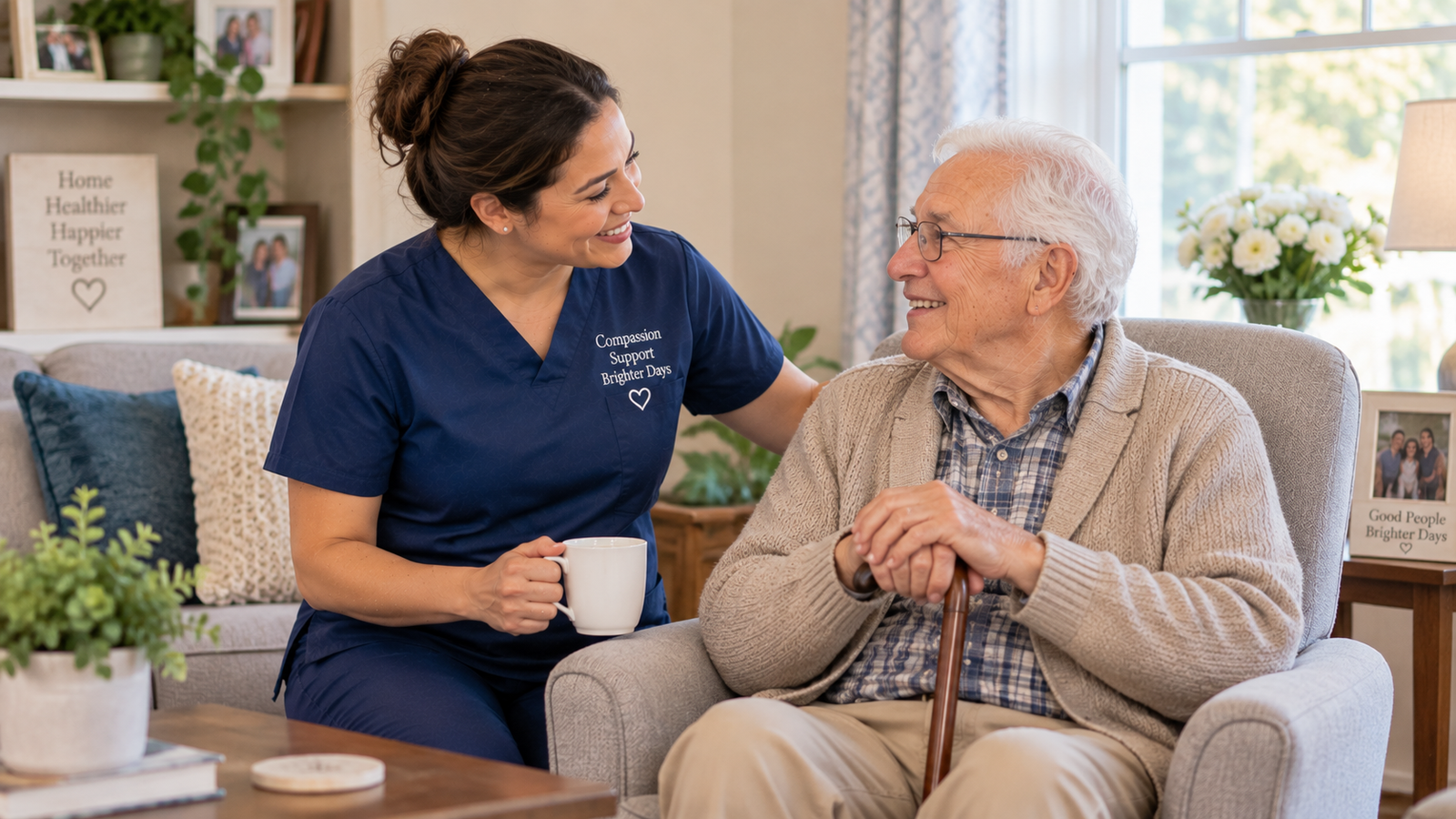
Everyday support
Support for the Moments That Make Up the Day
Support looks different for every family. Depending on the individual's care plan, it can include:
-
Everyday routines
Help with the natural flow of a normal day, from morning to evening.
-
Personal care support
Appropriate personal care assistance when it's part of the care plan.
-
Meal-related support
Help with preparing familiar meals and keeping mealtimes comfortable.
-
Light household assistance
Keeping the home tidy and manageable, without taking it over entirely.
-
Comfortable transitions
A steady presence during parts of the day that can feel disorienting, like mornings or evenings.

Meaningful connection
Familiar Moments. Meaningful Connection.
Company matters as much as any task on a list. Caregivers spend time in conversation, in shared activities, and simply being present, in whatever way feels comfortable for your loved one.
-
Conversation and company
Time spent talking, listening, or simply sitting together.
-
Familiar hobbies
Encouragement with activities and interests that already feel like them.
-
Music and reading
Simple, familiar activities that can bring a sense of comfort.
-
A calm, respectful presence
Patience and reassurance, without ever rushing the moment.
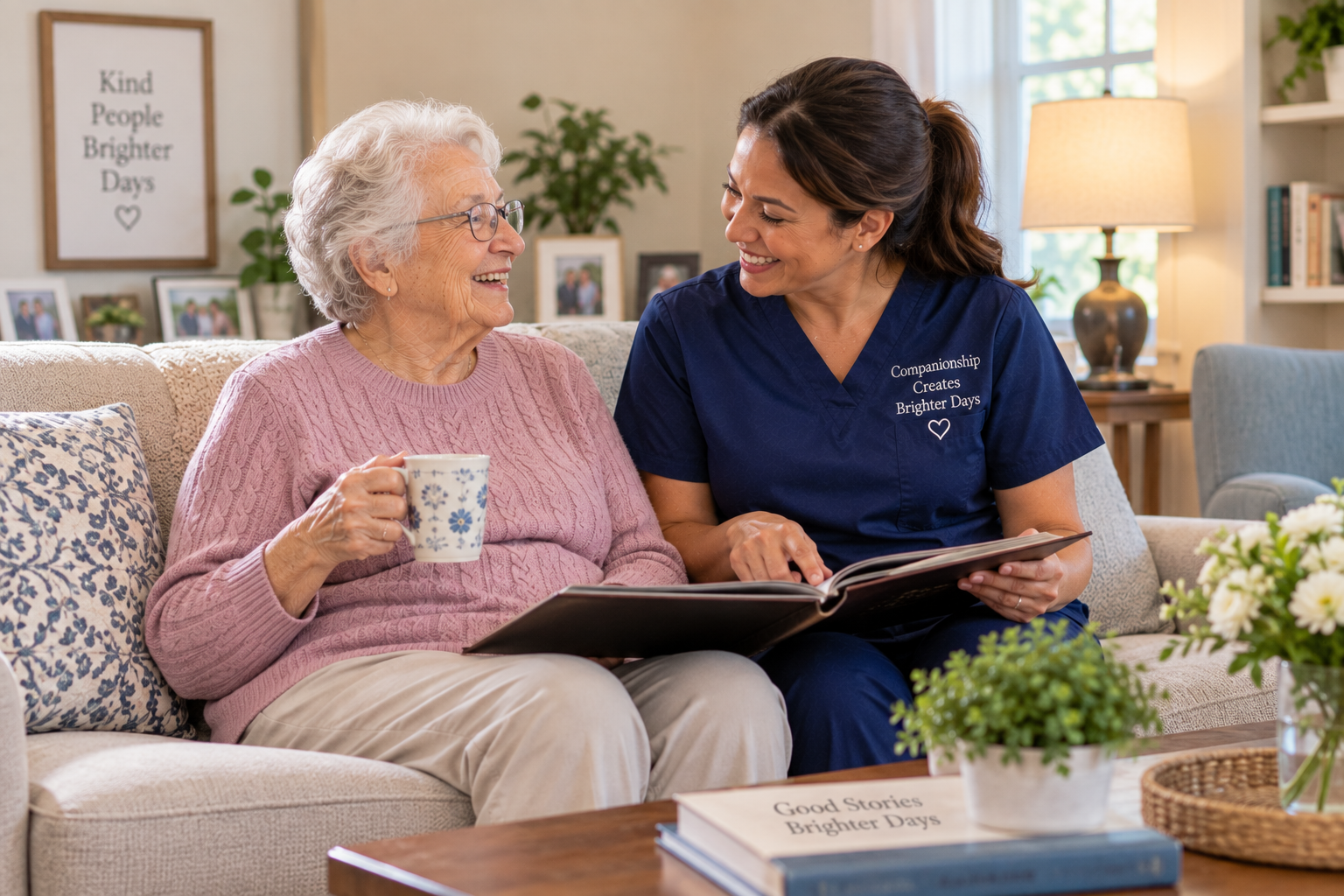
Personalized support
Care That Adapts to the Person, Not Just the Diagnosis
No two families come to us with the same needs. Support is shaped around the person in front of us, not a fixed program.
Daily routines
How mornings and evenings already work shapes how support fits in.
Personal preferences
What they like, what they'd rather skip, and how they like things done.
Familiar surroundings
Care happens in the home they already know, on their own terms.
Family priorities
What matters most to your family guides how support is shaped.
Level of assistance needed
Support can look different depending on what's needed right now, and can change over time.
Communication preferences
How your loved one communicates best is part of how care is delivered.
For families, too
Support for Families Navigating Dementia Care
Dementia care rarely affects just one person. It changes routines and responsibilities for the whole family, and having dependable in-home support can be an additional source of help, not a replacement for the role you already play.
-
Staying informed
Regular communication about how the day-to-day is going.
-
An extra set of hands
Additional caregiving support for the tasks that add up over time.
-
Managing changing routines
Help adjusting the day-to-day as needs shift over time.
-
Continuity
A familiar caregiver who gets to know your loved one, visit after visit.
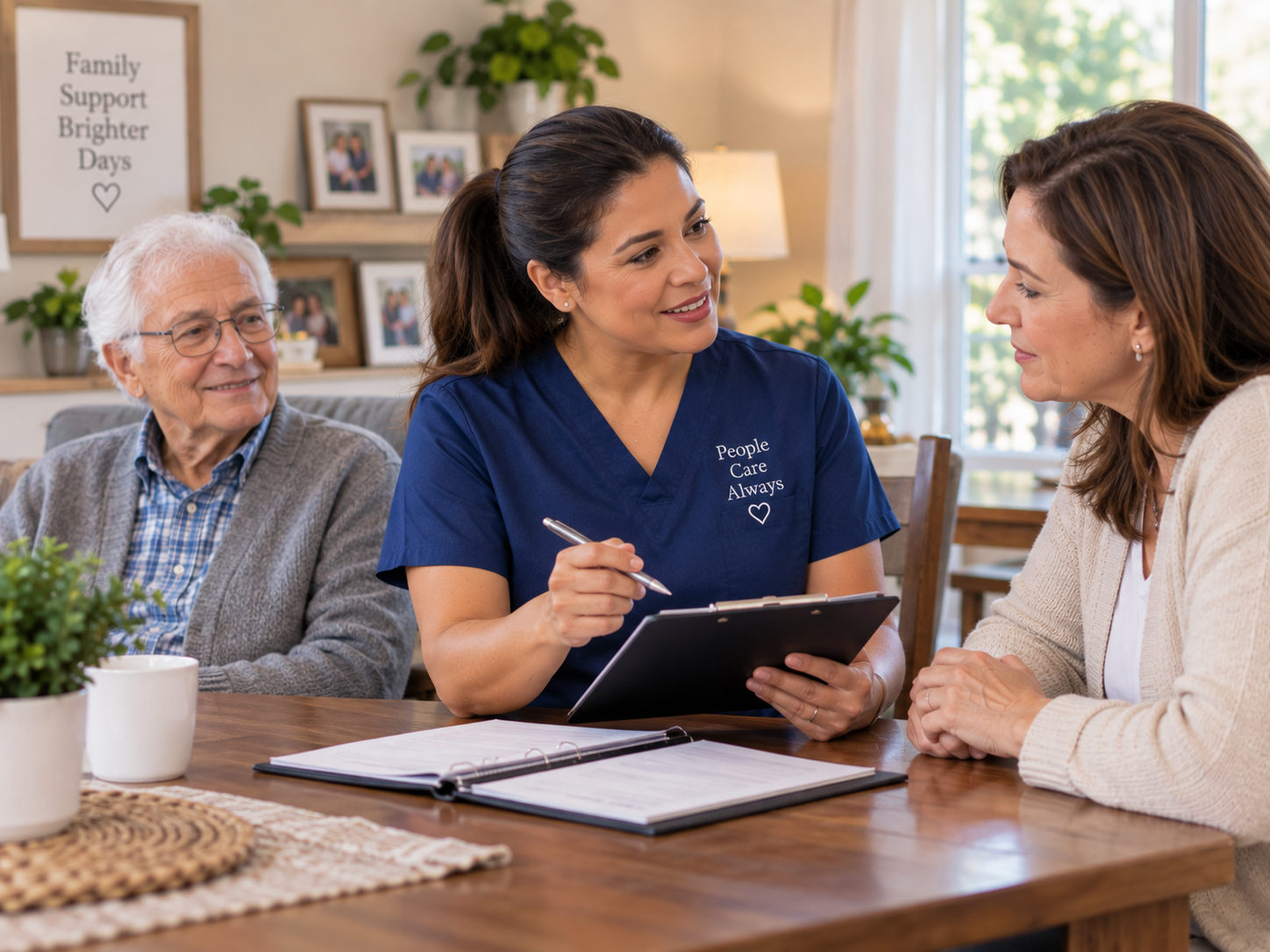
What support can include
Support for daily activities
Depending on the individual's care plan, services may include:
Daily Routines
Support with familiar routines and everyday activities.
Personal Care
Appropriate assistance with personal care needs when included in the care plan.
Meals & Household Support
Help with meal-related routines and light household tasks.
Companionship
Conversation, shared activities, and a reassuring presence.
Errands & Appointments
Support with appropriate errands or transportation services when applicable.
Family Communication
Keeping families connected to the day-to-day care experience.
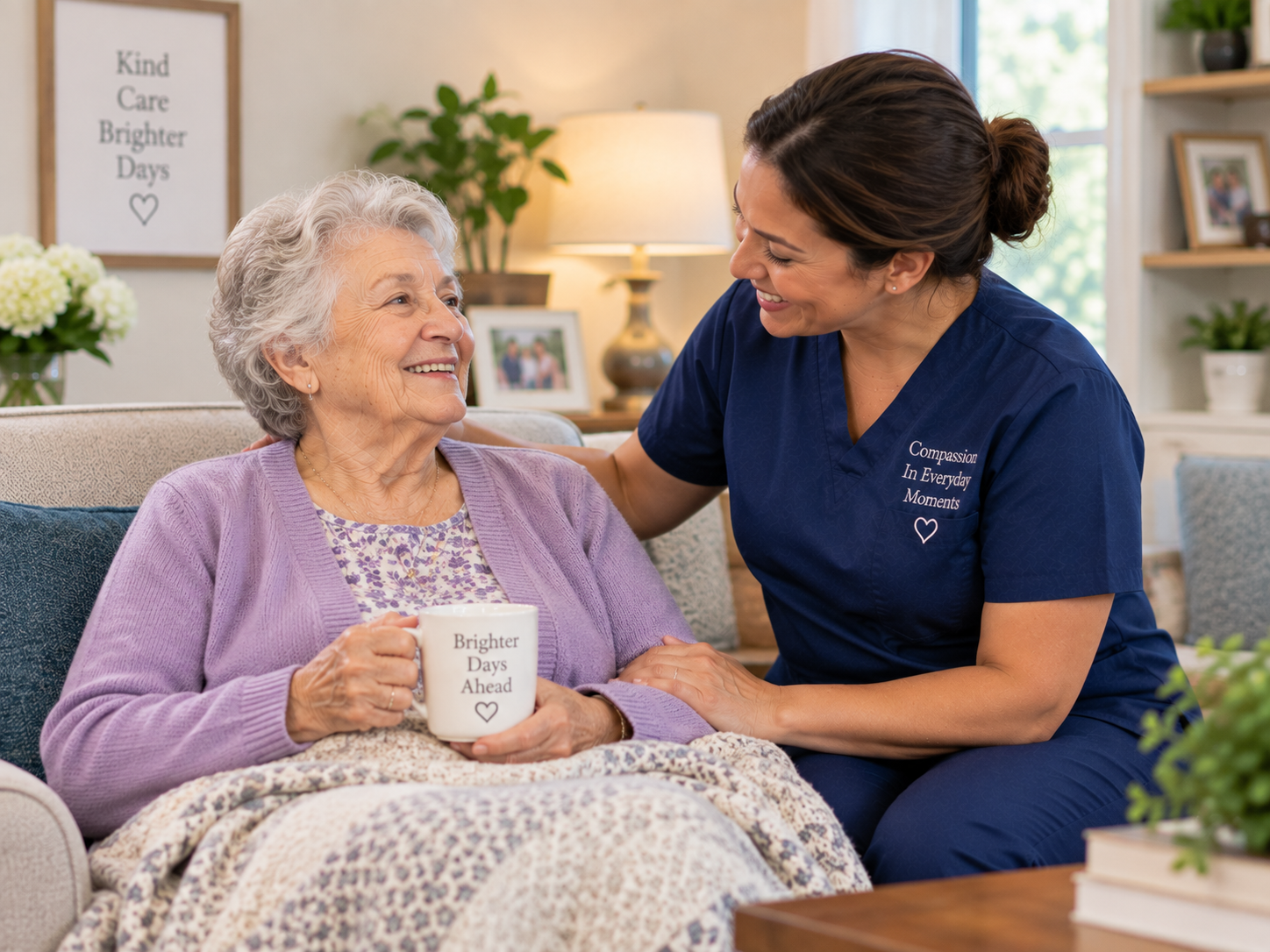
Who we support
Who We Support
Alzheimer's & Dementia Care may be appropriate for a range of situations. Here's what we hear most often from families across the San Fernando Valley.
-
Older adults living with Alzheimer's disease
Support built around routines, familiarity and daily comfort.
-
Older adults living with other forms of dementia
Care shaped around the individual, not a single diagnosis.
-
Individuals who need extra support with daily routines
Someone for whom the normal day has become harder to manage alone.
-
Older adults who benefit from companionship
Someone who would welcome more consistent, familiar company.
-
Families looking for additional caregiving support
Relatives already doing a lot who need one more reliable piece of help covered.
-
Adult children coordinating care for a parent
Often the first call comes from a son or daughter trying to figure out next steps.
When to reach out
When Additional Support May Make Sense
There's rarely one moment that makes this decision obvious. More often it's a few small changes that add up. Any of these can be a good reason to start the conversation.
Daily routines feel harder to manage
Getting through a normal day alone has started to feel like more than one person can keep up with.
More company would help
Long stretches alone are harder to fill, and consistent companionship would make a real difference.
Family needs an extra set of hands
The caregiving load has grown, and support would help spread it out.
Household routines are slipping
The things that used to just get done aren't happening as consistently anymore.
Staying home still matters
Your family wants to keep care centered at home, with the right support in place.
You're ready for a conversation
You don't need a plan yet, just a starting point and someone to talk it through with.
Why families choose us
Why choose Peaceful Home Care for dementia care
Dementia care asks a family to trust someone with patience, consistency and a lot of unspoken understanding. Here's how we try to earn that trust.
Experienced, trained caregivers
Our caregivers are chosen for patience and good judgment, and trained for the everyday realities of dementia care.
A familiar, consistent presence
A caregiver who gets to know your loved one's routines and preferences over time.
Personalized around routines
Support shaped around how your loved one already lives, not a fixed template.
Open communication with family
You'll hear how things are going. If something needs to change, we'd rather know early than find out late.
Local to the San Fernando Valley
We work in the neighborhoods our clients live in, which keeps care consistent and caregivers close by.
Care that respects dignity
Patience and respect guide every part of how support is delivered, without ever taking over more than needed.
Getting started
How dementia care gets set up
Nothing about the first conversation commits you to anything. It's a chance to figure out whether this kind of support is the right fit.
-
Start the conversation
Contact us and share what kind of support your family is looking for.
-
Understand your needs
We talk through routines, preferences, caregiving needs and family priorities.
-
Create personalized support
We shape an approach around the individual, built on what you've shared.
-
Begin care
Move forward with compassionate in-home support, adjusted as needs change.
Service area
Alzheimer's & Dementia Care in the San Fernando Valley
We provide in-home dementia care support to families throughout the San Fernando Valley, with a particular focus on the communities closest to us. If you're looking into dementia care near Sherman Oaks, in Encino or around Studio City, we're happy to talk through what support could look like.
Not sure if your neighborhood is covered? Just ask. It only takes a minute to find out.
Other ways we support families
Questions families ask
Dementia care questions, answered
If your question isn't here, just ask. We're happy to talk it through.
Alzheimer's & Dementia Care is in-home, non-medical support for older adults living with Alzheimer's disease or other forms of dementia. A caregiver helps with daily routines and companionship, in the person's own home.
Yes, for many families in-home support is an option, depending on the individual's needs and the level of assistance required. We talk through what's realistic for your specific situation before care begins.
A dementia caregiver provides non-medical support such as help with daily routines, companionship, meal-related assistance, light household help, and a calm, familiar presence throughout the day.
Yes. Support with daily routines depends on the individual's care plan and can include help with the flow of morning, daytime and evening activities.
Yes. Companionship is a core part of dementia care, including conversation, shared activities, and simply spending time together in a familiar, unhurried way.
Yes. Care is shaped around the individual's routines, preferences, familiar surroundings and family priorities, rather than a fixed program.
Yes. In-home support can give family caregivers additional help with day-to-day care, along with regular communication about how things are going.
No. This is non-medical, in-home caregiving support. It doesn't replace diagnosis, treatment or medical care from a doctor or specialist, and we encourage families to work with a healthcare professional for any medical concerns.
Start with a free consultation. Tell us about your loved one's routines and what kind of support your family is looking for, and we'll talk through what care could look like.

Next step
Compassionate Dementia Care Starts With a Conversation.
You don't need to have it all figured out before you call. Tell us what's changed at home, and we'll help you think it through, whether or not you decide to start care with us.
Serving families throughout the San Fernando Valley.